Essay
Thread and Memory: The Quiet Revival of Pakistani Textile Art
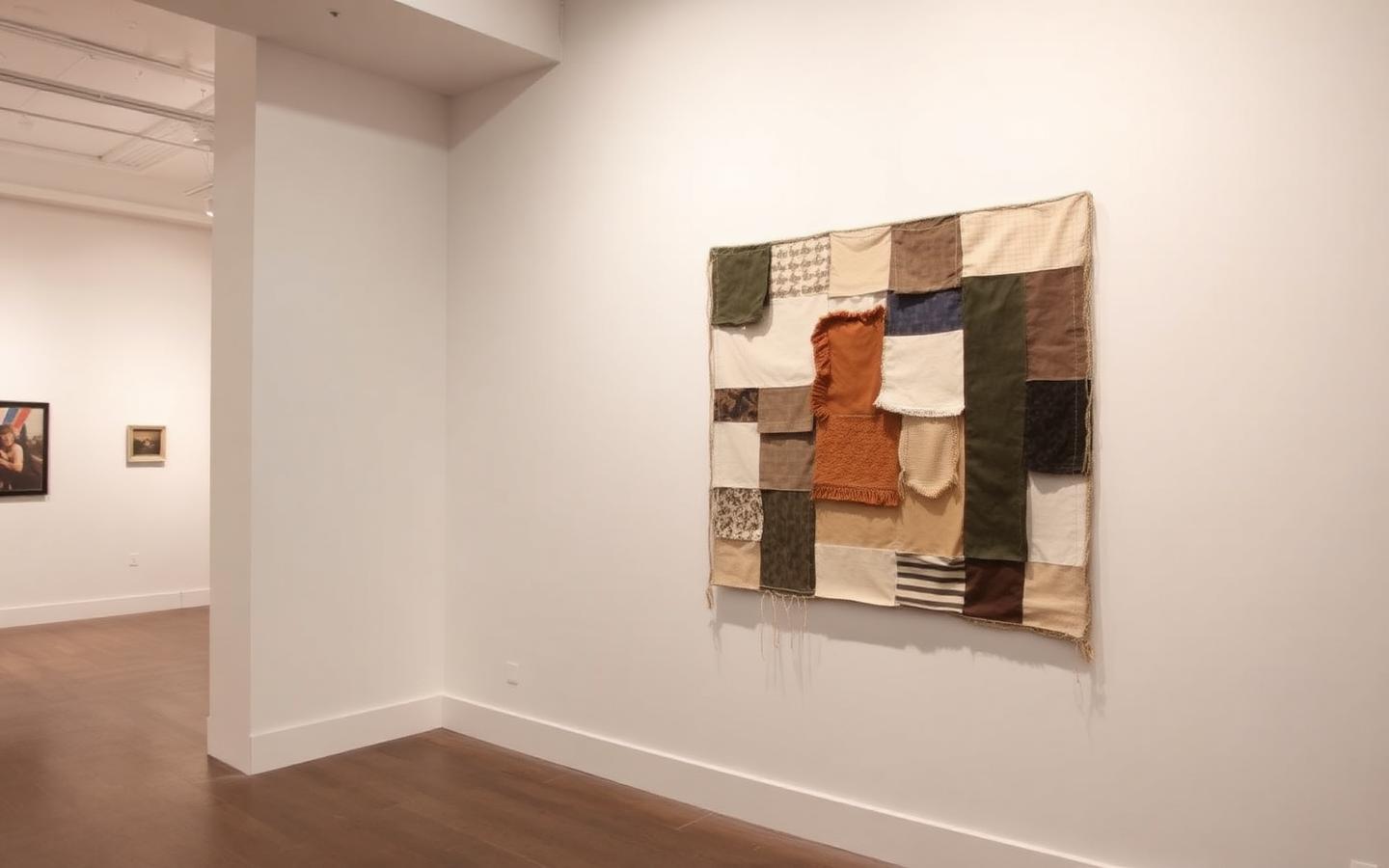
For most of the last century, textile in Pakistan was filed under craft — a category that came with admiration and very little wall space. The distinction was never really about material. It was about who was allowed to sign their name.
That is changing, slowly and without much noise. In Multan, Lahore and Karachi, artists trained in painting and printmaking are working with dyers and block-printers whose families have kept the same patterns alive for four generations. The results are not revivalist. They are argumentative.
The block as a document
Mariam Sheikh keeps a shelf of wooden blocks in her studio, most of them older than she is. She uses them the way a writer uses a quotation: exactly, and with the source visible.
The pattern already knows what it means. My job is to decide where it stops.
Mariam Sheikh
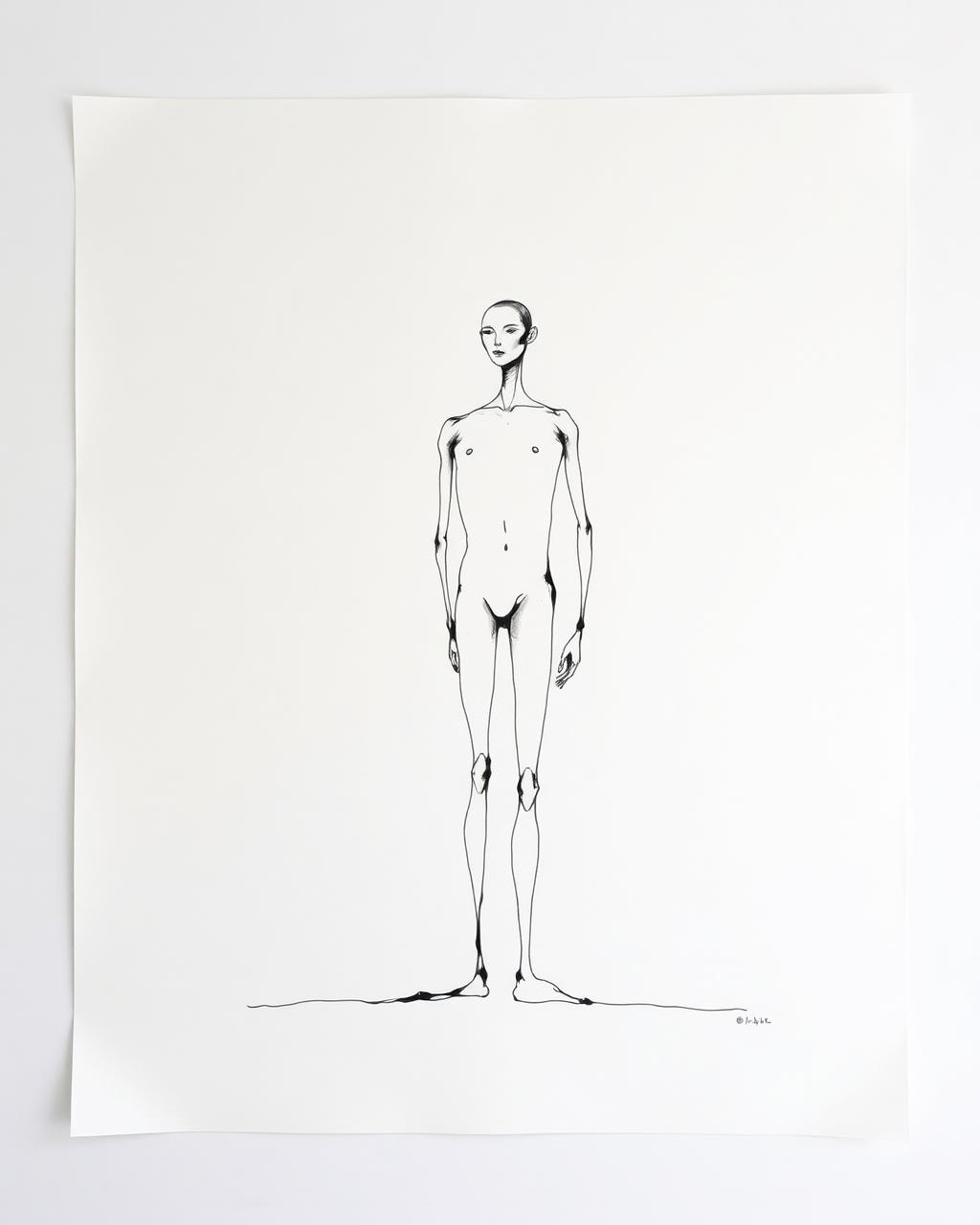
What connects these practices is a refusal of nostalgia. The work does not ask to be read as heritage. It asks to be read as now — which is a harder thing to sell, and a more honest one.
A question of scale
Institutional support remains thin. There are few residencies, fewer collections acquiring this work, and no reliable public record of who is making it. Documentation, in the absence of infrastructure, becomes a form of advocacy — which is roughly the reason Numaaish exists.
- #Textile
- #Craft
- #Multan